EAST BAY RESIDENCE.COM
Dre#: 01776635
510-575-0629
ARTICLES ON EAST BAY HOMES, DESIGN AND LIVING BY MOYA ROBINSON, LOCAL REALTOR

REALTOR®, COMPASS
MENU
The Anatomy of a Tudor Home and Its Evolution in the East Bay
There are certain homes in the East Bay that feel immediately distinct grounded, layered, and full of character. Tudor homes are among them.
After recently working with a Tudor property, I found myself paying closer attention to them across neighborhoods like Crocker Highlands, Piedmont, and the Oakland Hills. The more I looked, the more it became clear: these homes aren’t just a style they’re a language. Every detail, from the exposed beams to the windows, has a purpose rooted in history.
Understanding that language changes how you see them and how you care for them.
Where Tudor Architecture Comes From
Tudor homes trace back to England in the late medieval period, later revived in the United States during the 1920s and 1930s. At a time when many homes were becoming more standardized, Tudor architecture stood apart.
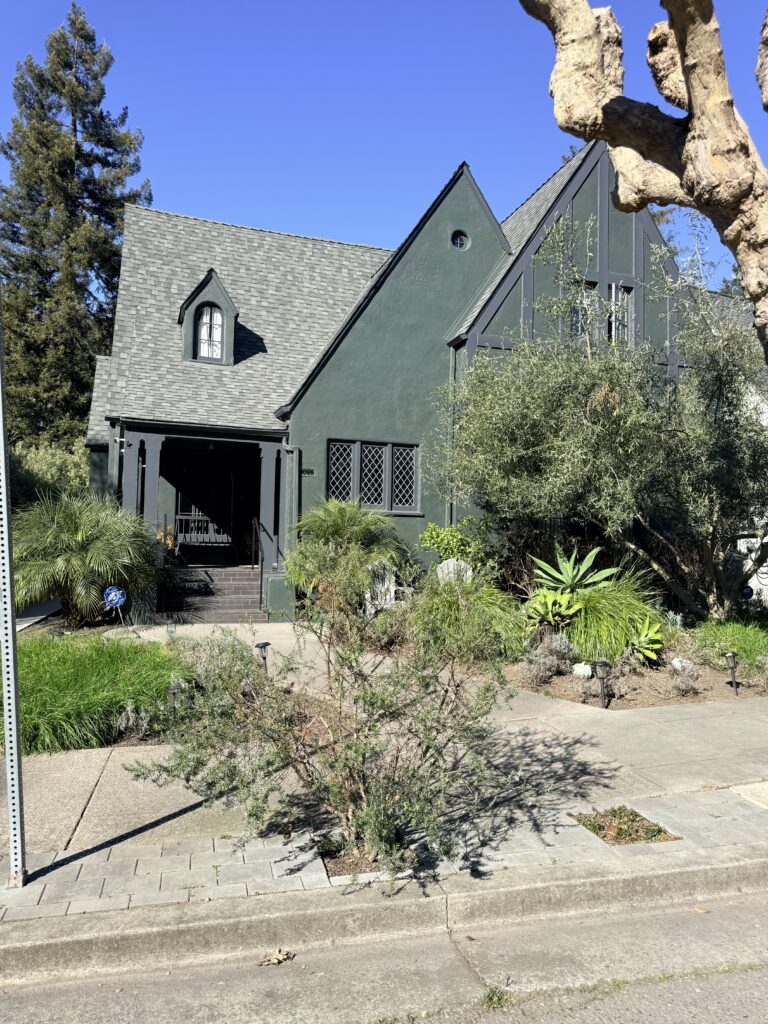
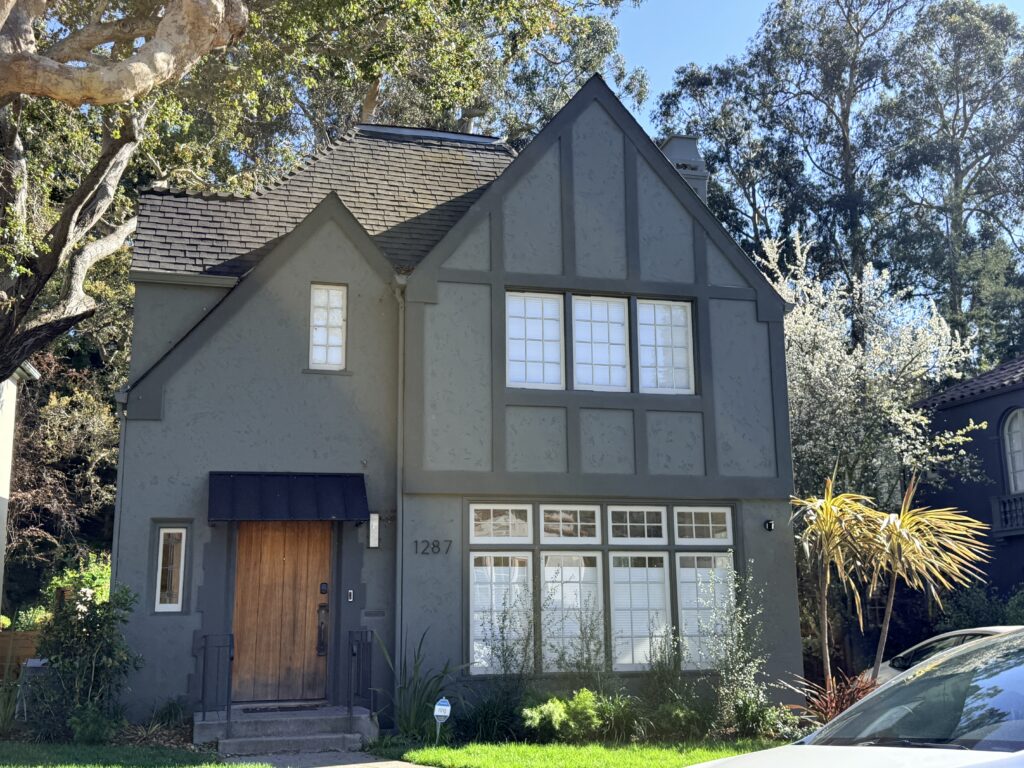
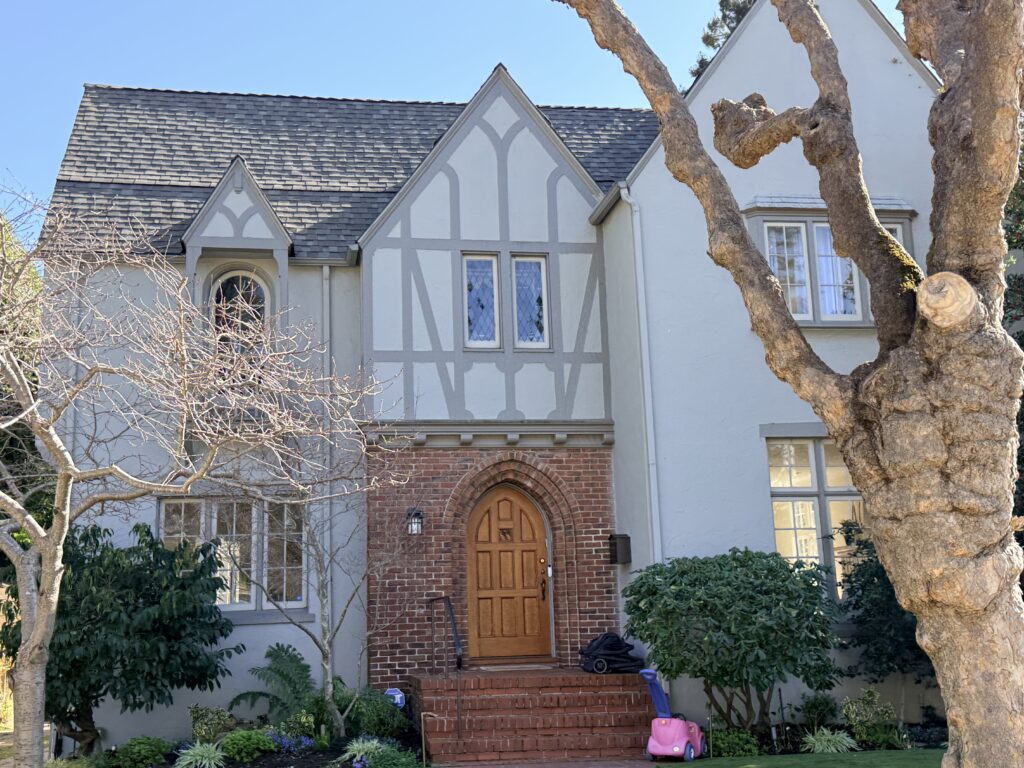
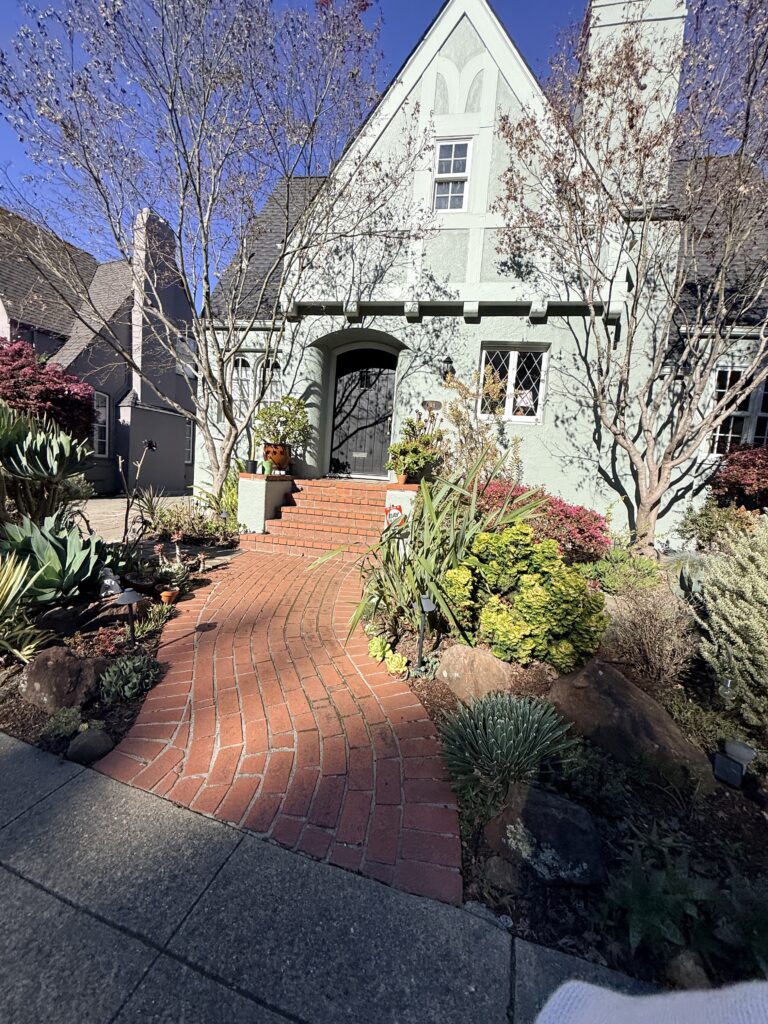
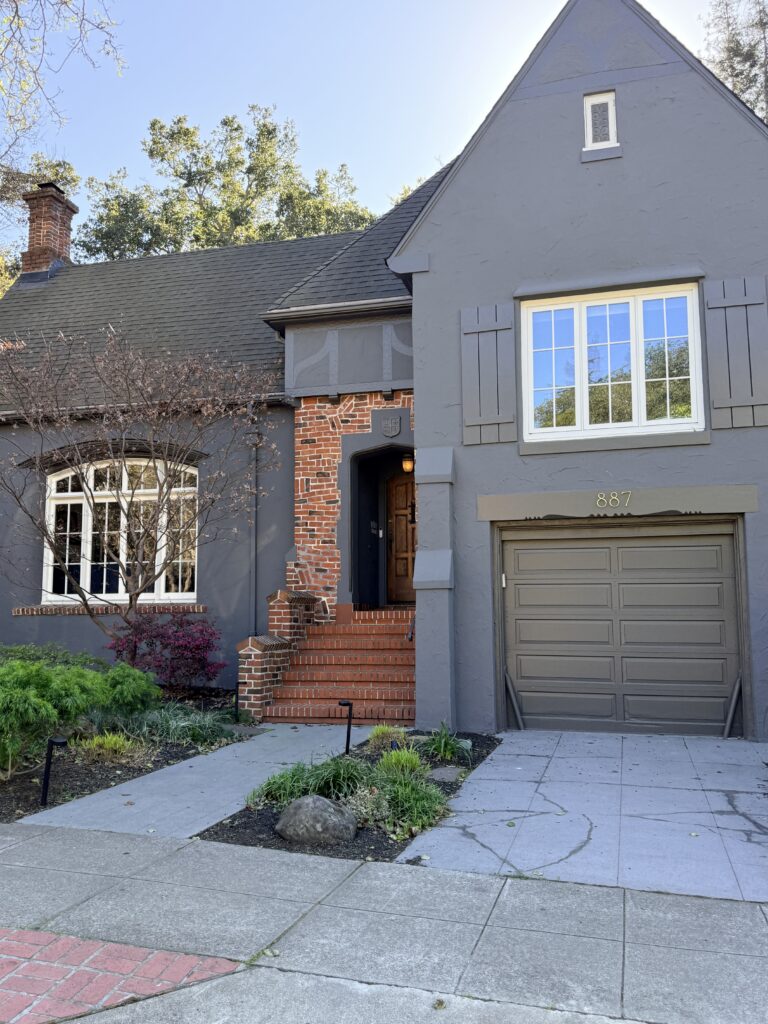
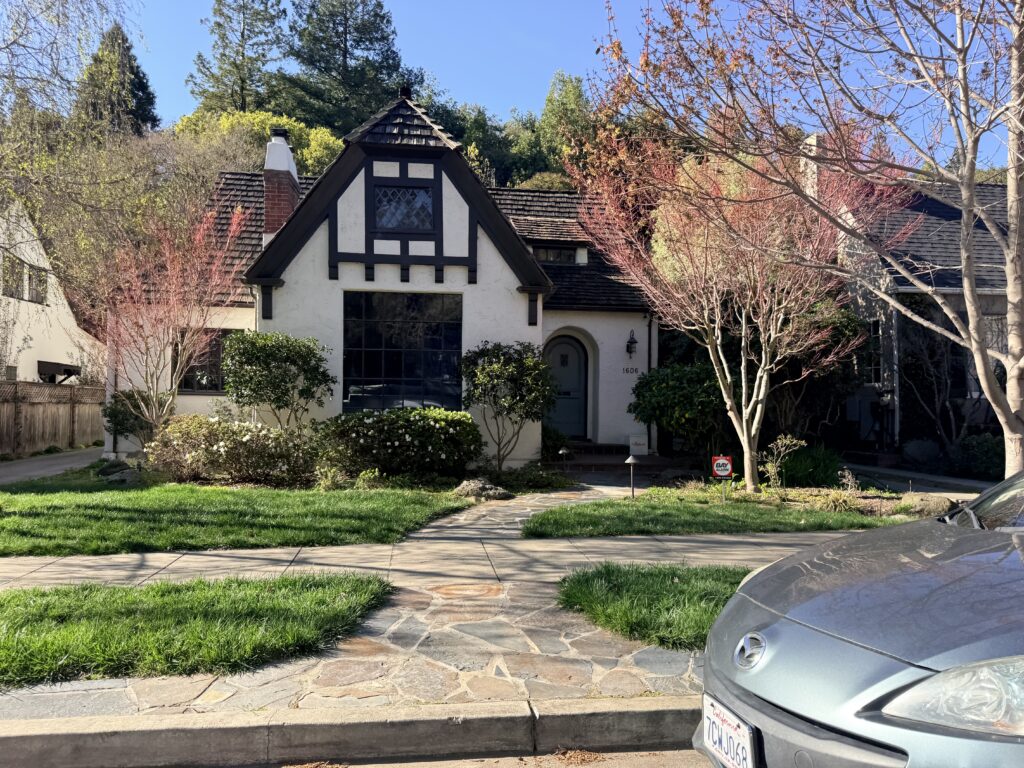
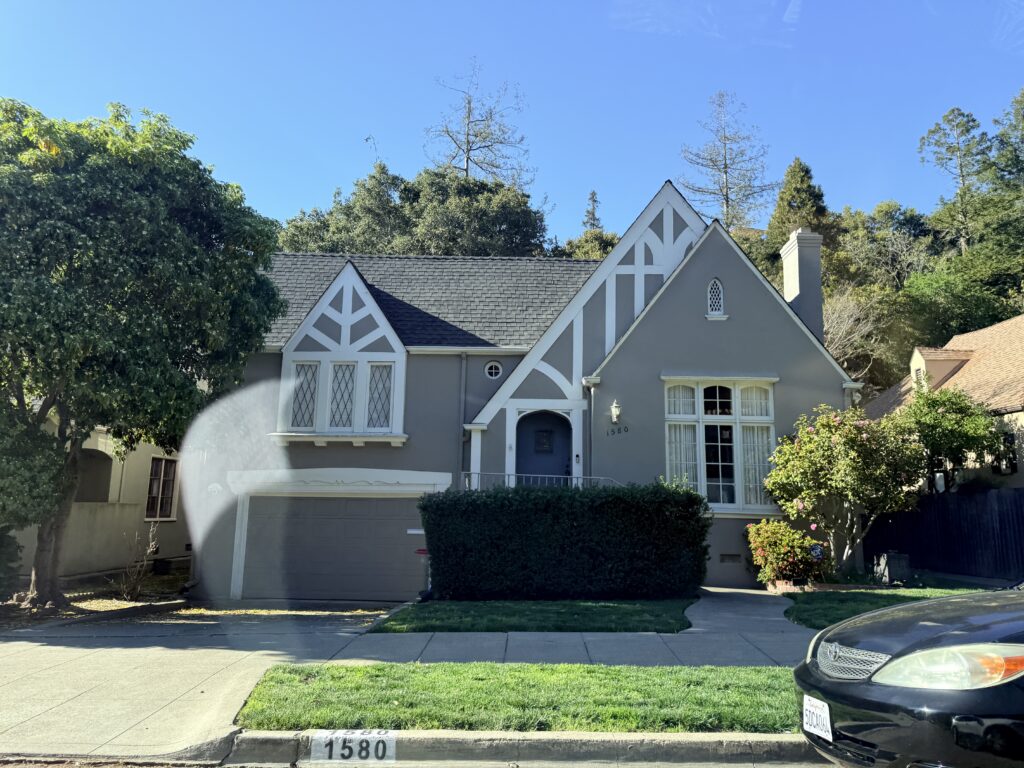
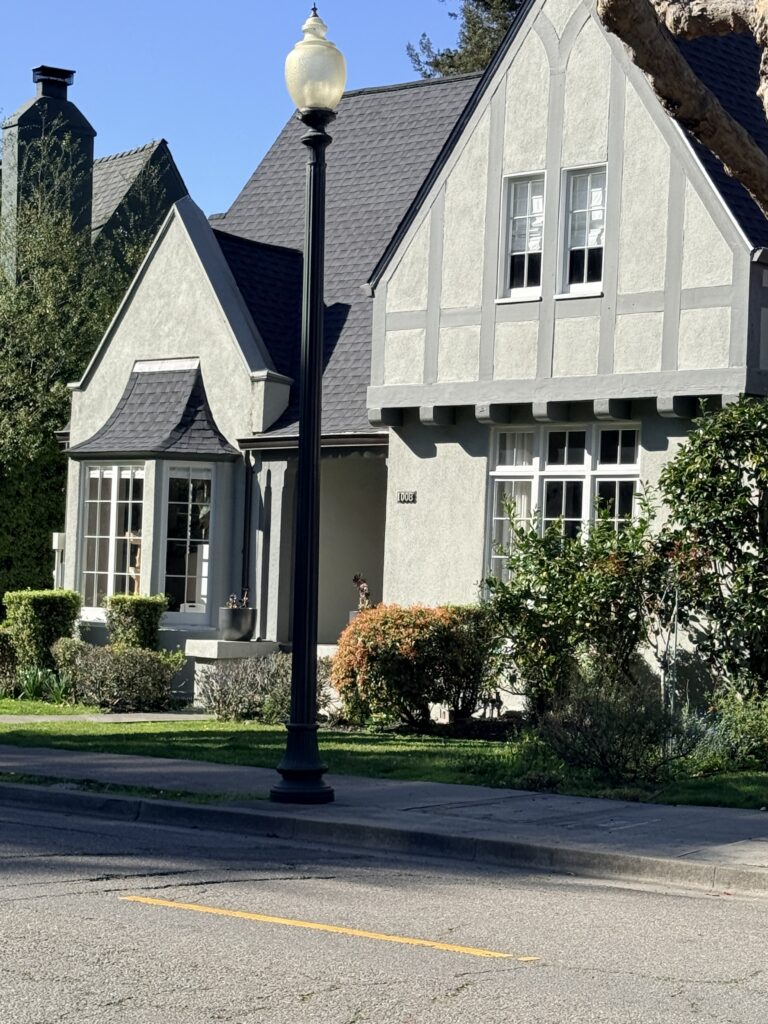
It was designed to feel older than it was evoking craftsmanship, permanence, and a sense of history. In the East Bay, where many of these homes were built during that revival period, they became a natural fit for tree-lined neighborhoods and hillside settings.
They weren’t meant to feel perfect. They were meant to feel established.
The Meaning Behind the Details
What makes a Tudor home compelling isn’t just its appearance it’s the intention behind each element.
Half-Timbering (the exposed beams)
What many people recognize first the dark wood beams against light stucco was originally structural. In early construction, the wood frame carried the load, and the spaces between were filled with plaster or masonry. Today, the look is largely decorative, but it still references that original craftsmanship and honesty of structure.
Steeply Pitched Rooflines
These dramatic rooflines weren’t just aesthetic. They were practical, designed to shed rain and snow efficiently. But visually, they create a sense of scale and presence giving Tudor homes their unmistakable silhouette.
Leaded and Stained Glass Windows
Before large panes of glass were widely available, windows were made from smaller sections held together by lead. The result is the soft, textured light you see inside many Tudor homes today. It adds warmth and a slightly diffused quality that feels intimate and lived-in.
Asymmetry
Unlike more formal architectural styles, Tudor homes often embrace asymmetry off-center doors, varied rooflines, and irregular facades. This creates a sense that the home evolved over time, even if it was built all at once.
Traditional Tudor Color Palettes
The classic Tudor palette is rooted in contrast but a very specific kind.
Historically, you’ll see:
- Light, warm stucco (creams, soft whites)
- Dark timber (deep brown or near black)
- Earth tones that connect the home to its surroundings
This contrast wasn’t about boldness it was about highlighting structure. The beams weren’t just decorative; they were meant to be seen.
When done well, the palette feels grounded and timeless, never stark.
The East Bay Interpretation
In the East Bay, Tudor homes take on a slightly different character.
The light here is softer, especially in hillside neighborhoods where tree coverage filters the sun. That changes how color reads. A white that might feel crisp elsewhere can appear warm and muted here. Dark trim feels less severe when surrounded by greenery.
Neighborhoods like Crocker Highlands and Piedmont, with their established landscaping and architectural consistency, allow Tudors to feel particularly at home. In the Oakland Hills, where homes are often tucked into the landscape, the style becomes even more integrated almost blending into its environment.
This is where understanding location becomes just as important as understanding architecture.
How Tudor Homes Are Evolving Today
As these homes are updated, there’s a noticeable shift in how they’re being interpreted.
Softened Traditional
Many homeowners are keeping the classic palette but adjusting it slightly warmer whites, softer contrasts, and more nuanced tones. The result feels lighter without losing its historical reference.
Refined Transitional
Some Tudors are being updated with a more balanced approach still honoring the structure, but simplifying the palette. The contrast is reduced, and the overall look becomes more cohesive and understated.
Bolder Interpretations
In some cases, homeowners are leaning into high-contrast or darker palettes charcoals, blacks, and more modern finishes. When done thoughtfully, this can feel striking. When overdone, it can compete with the architecture rather than support it.
What Makes a Tudor Feel “Right”
The most successful Tudor homes whether traditional or updated have one thing in common: they respect the architecture.
The beams still read as intentional.
The colors work with the light, not against it.
The updates feel considered, not imposed.
Tudor homes don’t respond well to trends that ignore their structure. They tend to look best when decisions are made with an understanding of where they come from.
Tudors of the East Bay
Tudor homes have a distinct presence in the East Bay. They’re not just visually recognizable—they carry a sense of history and craftsmanship that’s increasingly rare.
When they’re understood and presented well, they stand apart—not just as homes, but as properties with depth and identity.
Moya Robinson REALTOR®, Sales Associate, Compass 01776635
