
As sustainability becomes part of everyday decision-making for East Bay homeowners, greywater systems are quietly showing up in more thoughtful renovations, especially in hillside homes with established gardens. They’re not flashy. They’re not obvious. But when done well, they can dramatically reduce water use while supporting healthier landscapes.
If you’ve heard the term and wondered what it actually means for your home, here’s a clear, practical breakdown.
What Is a Greywater System? (In Plain English)
Greywater is gently used water from everyday household sources like:
- showers
- bathroom sinks
- laundry machines
Instead of sending that water straight to the sewer, a greywater system captures and redirects it for landscape irrigation. The water is filtered and distributed underground to nourish plants and trees, never reused inside the home.
It’s one of the most efficient ways to stretch water use in California, particularly for homes with gardens, slopes, or mature landscaping.
Why Greywater Is Gaining Traction in the East Bay
Several local factors are driving interest:
- Ongoing drought awareness and water-conscious living
- Hillside properties that rely heavily on irrigation
- Garden-forward homes where landscaping is part of the lifestyle
- Eco-minded buyers who value sustainability but want it done thoughtfully
Greywater systems tend to appear most often in homes where owners are thinking long-term—about the land, not just the house.
What I’m Seeing in Real East Bay Homes
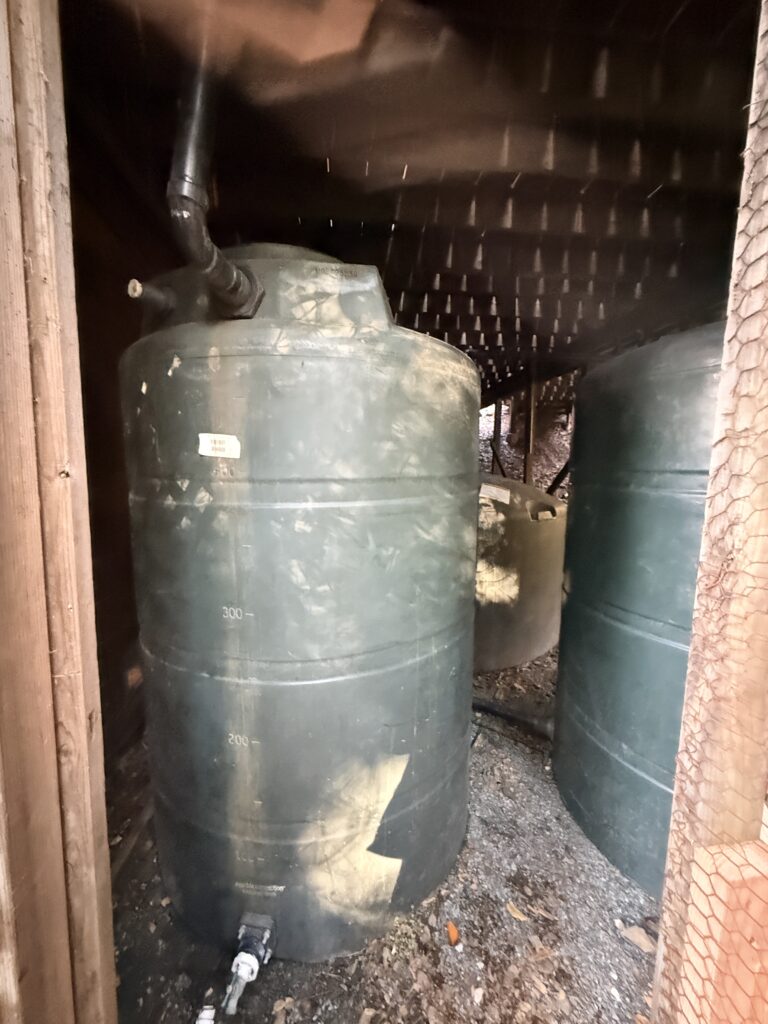
While showing a recent East Bay home, I came across a thoughtfully integrated greywater setup: large storage tanks discreetly installed beneath the structure, quietly supporting the surrounding landscape. You wouldn’t notice them unless you were looking.
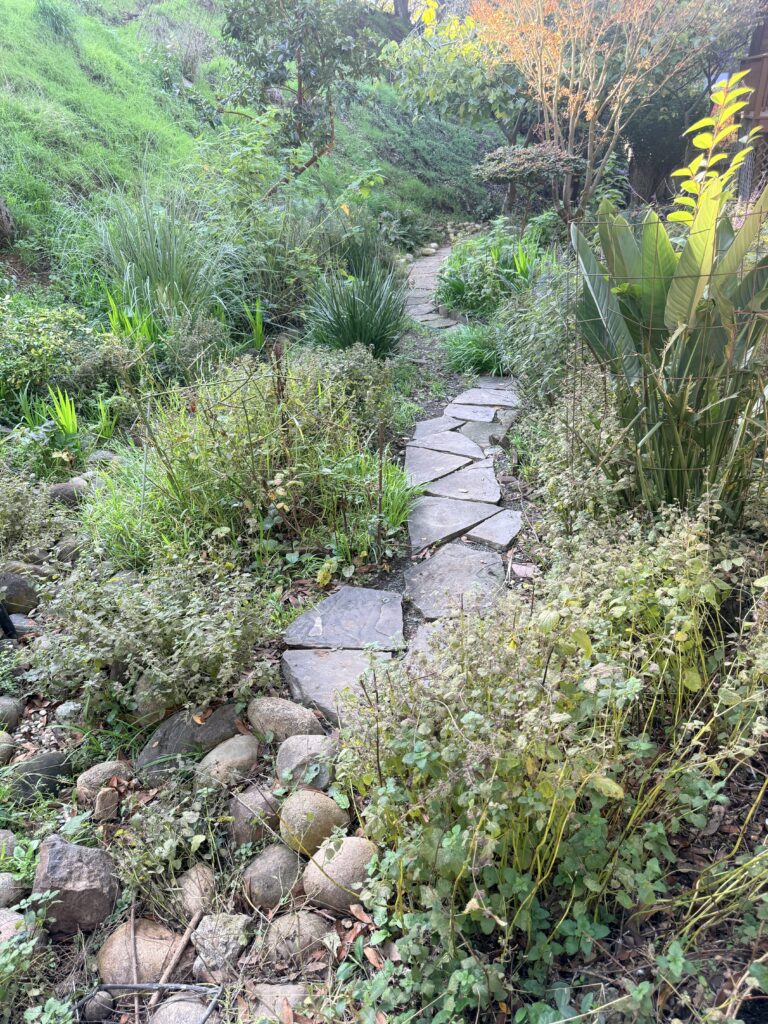
Above ground, the result was clear lush plantings, established paths, and a garden that felt balanced with the hillside environment. It was a reminder that some of the most impactful sustainable upgrades aren’t decorative. They’re functional, intentional, and designed to work in harmony with the land.
What Greywater Can (and Can’t) Be Used For
Greywater is typically used for:
- irrigation of trees, shrubs, and ornamental plants
- drip systems and subsurface watering
Greywater is not used for:
- drinking water
- toilets
- showers or sinks
- edible plants where water touches the produce
The systems are designed to stay safely below the surface and operate automatically once installed.
Cost, Maintenance, and Permits (High-Level)
Costs vary depending on the home, slope, and system design, but generally:
- Greywater systems are less expensive than full rainwater catchment systems
- Maintenance is relatively low when properly installed
- Permits are often required, especially in hillside areas
For older homes—especially Craftsman or mid-century properties—greywater can often be added without major structural disruption when planned carefully.
How Buyers React to Greywater Systems
From a resale perspective, buyer reactions tend to fall into two camps:
- Eco-forward buyers see greywater as a major plus and a sign of thoughtful ownership
- Neutral buyers are usually reassured once they understand it’s for irrigation only and requires minimal interaction
What matters most is clear explanation. When systems are well-documented and professionally installed, they’re perceived as an asset not a complication.
Is Greywater a Smart Upgrade for Your Home?
Greywater makes the most sense if:
- your home has significant landscaping
- you’re on a slope or hillside
- water use is a concern
- sustainability is part of how you live
- you’re planning a long-term renovation
It’s less about trendiness and more about stewardship of the land, the garden, and the home itself.
Planning for the Future
Greywater systems won’t appeal to everyone and that’s okay. But for the right home, in the right setting, they’re one of the most elegant examples of smart, sustainable living in the East Bay.
They work quietly in the background, supporting landscapes that thrive year-round while reducing reliance on fresh water. And increasingly, they’re part of how future-ready homes are being designed.
If you’re curious whether a greywater system makes sense for your home or how buyers typically respond to them. I’m always happy to share what I’m seeing locally.

